SEO and Link Baiting
The term linkbait is often used in SEO circles but not many people are actually aware of what it means. If we were to define ‘linkbait’ we would say: ‘Linkbait is when you place content such as an article, blog, picture, post, or any other content on a web page with one purpose in mind – to gather links from as many different sources as possible.’
With the increasing popularity of blogs and social bookmarking sites all that is required is one interesting piece of content on a web page which catches the eye of someone. They then share the link with others and before you can blink you have gathered many links from many different sources and sites. Both the quality and quantity of incoming links to a site are metrics used by a search engine ranking algorithm to determine a website’s rank within a set of search results. Using this method can greatly improve your SEO strategy.
Used well, linkbaiting sits naturally within a broader marketing strategy that typically an SEO agency would undertake, earning links organically rather than relying on tactics that can be reversed by the next algorithm update.
What are popular forms of linkbaiting?
These are just some popular linkbaiting techniques:
-
Use informational hooks as these provide useful information to the reader. Include tips and tricks which you think will benefit others and encourage them to create inbound links.
-
Use news hooks. Provide content that includes fresh news information on a current topical matter, this will cause your content to spread quickly.
-
Use humour hooks as these are powerful for enticing link building. A humorous image or video tends to spread through the grapevine quickly.
-
Use tool hooks such as useful programs or apps that people will recommend to others.
-
Use unique content hooks. These are generated when a third party requests unique content from you and it is this content which contains a link back to your site. Since it is necessary for good SEO that on site content be unique, the creation of this content is popular among companies who do not wish to create their own content or are unable to do so.
What works well for linkbait today?
The principles above still hold, but the types of content that earn links have evolved. Here are the formats that consistently attract the most natural backlinks:
Original research and data. If you can publish statistics, survey results or industry data that nobody else has, people will cite you as a source. Even a small piece of original research on your industry can earn dozens of links from journalists and bloggers who are looking for fresh figures to quote.
Interactive tools and calculators. Giving people something they can actually use on your site, whether that is a cost calculator, a diagnostic tool or a simple quiz, tends to generate links because the tool itself becomes a reference point that others want to share.
Comprehensive guides. Long-form content that covers a topic thoroughly in one place often becomes the default resource that others link to when they mention the subject. The key is going deeper than what already exists, not just writing more words.
Visual content with clear takeaways. Infographics still work when they contain original data and a clear story. Charts based on proprietary data are especially effective because they give writers something to embed and credit.
The difference between older linkbait tactics and what works now is that search engines have become far better at spotting thin or gimmicky content. Effective linkbait today is really just another way of saying “publish something genuinely worth referencing.” If it is useful, original and easy to cite, the links tend to follow.
Making linkbait work for your business
When you are choosing your linkbait method, remember whichever method you choose you need to ensure it is an attention grabber. The ultimate aim is to create content that people genuinely want to talk about, share and link to. Focus on being useful, original or entertaining, ideally all three, and the links will follow naturally.
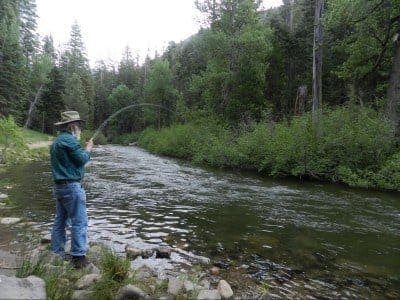
Image credit – outdoorPDK