Custom Marketplace Development
Multi-Vendor Marketplace
Custom Marketplace Platforms Connecting Buyers & Sellers.
No Templates. No Limitations. Just Scalable Commerce.
Multi-Vendor Marketplace Development Agency
We Build Marketplace Websites That Scale With Your Business
Marketplace websites are fundamentally different from standard eCommerce stores. Instead of selling your own products, you're building a platform where multiple vendors list, sell and fulfil their own orders. That creates layers of complexity around vendor onboarding, commission structures, payment splitting, dispute resolution and catalogue management that off-the-shelf solutions handle poorly. Statista research shows that marketplace sales now account for 67% of global eCommerce, a share that continues to grow year on year. Yet turnkey SaaS marketplace tools compound the complexity problem by locking you into inflexible user flows, limited revenue models and low scalability. Our custom marketplace development service is built around solving those problems properly from day one, so your platform can grow without hitting technical walls every few months.
As a Birmingham-based marketplace development agency working with clients across the UK, we've built multi-vendor platforms for B2B wholesale, consumer marketplaces, service booking platforms and niche vertical marketplaces. We work with established businesses launching new revenue channels and startups building marketplace-first models. Whether you need a Magento-based marketplace, a headless build using React development services or a custom Laravel solution, we handle the full stack: architecture, development, payment integration via Stripe Connect or PayPal for Marketplaces, vendor tools and ongoing support. Our eCommerce team understands the commercial logic behind marketplaces, not just the code.
experience
Quick Navigation



STRATEGY WITHOUT
EXECUTION IS JUST NOISE
Core features every custom marketplace needs
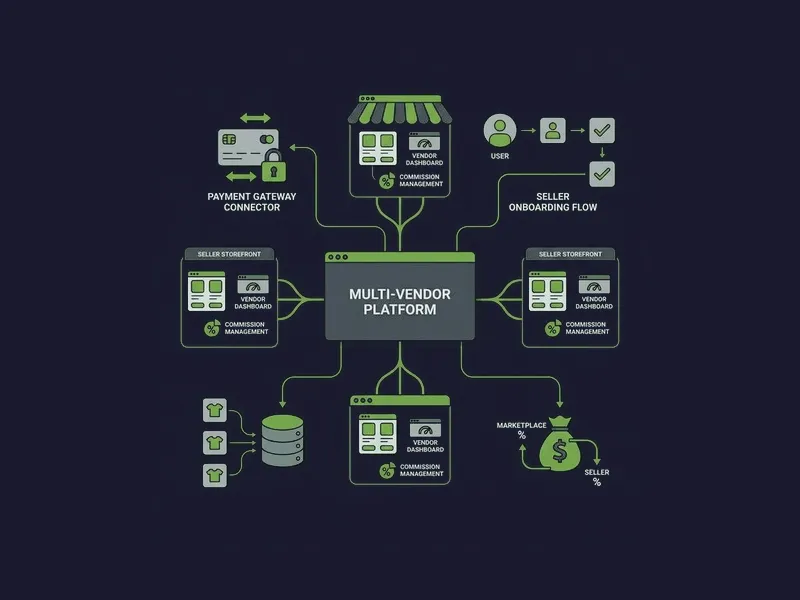
- Vendor dashboard and onboardingSelf-service registration, product listing tools, order management, earnings reports and payout tracking. Vendors need to operate independently without constant admin support from your team.
- Commission and payment splittingAutomated commission calculation with flexible rules per vendor, category or product type. Payments split at checkout via Stripe Connect, PayPal for Marketplaces or custom gateway integration so vendors receive their share automatically.
- Product catalogue managementCentralised product data with vendor-level control. Category structures, attribute management, variant handling and bulk upload tools that work at scale when you have hundreds of sellers listing thousands of products.
- Order routing and fulfilmentMulti-vendor carts that split into separate orders per seller, each with its own shipping, tracking and fulfilment workflow. Buyers get a single checkout experience; vendors manage their own dispatch.
- Reviews, ratings and trust signalsVendor ratings, product reviews and buyer protection policies that build trust across both sides of the marketplace. Trust is the single biggest factor in marketplace adoption and repeat purchasing.
- Admin control panelPlatform-level oversight including vendor approvals, product moderation, dispute management, financial reporting and fee configuration. You need visibility across every transaction without micromanaging individual sellers.
TECHNOLOGIES & PLATFORMS
eCommerce Development









Choosing the right marketplace architecture
The architecture decision shapes everything that follows. A monolithic platform built on WooCommerce with a marketplace plugin works for simple early-stage marketplaces with a handful of vendors. But if you're planning for hundreds of sellers, high transaction volumes, mobile apps or international expansion, you need an architecture that won't become your biggest bottleneck. We help clients make this decision early, before it becomes expensive to change.
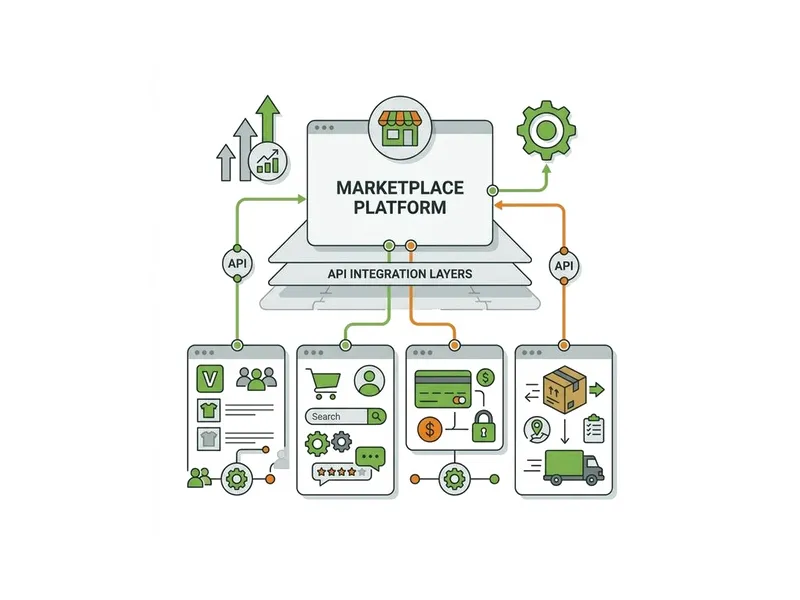
For most custom marketplace projects, we recommend a headless or API-first approach. The commerce logic, product data, payments and vendor management live in a backend system accessible via APIs. The buyer-facing storefront is built separately using modern frameworks like Next.js development services for performance and SEO, while vendor dashboards can be built as standalone applications. This separation means you can update the buyer experience without touching vendor tools, add a mobile app without rebuilding your backend, and scale individual components independently. For simpler requirements, a WooCommerce development services or Magento development services base with marketplace extensions can deliver faster and at lower initial cost. The right choice depends on your growth ambitions, budget and timeline.

Our marketplace development process
We start every marketplace project with a commercial workshop, not a feature list. Understanding your revenue model, vendor proposition, buyer journey and competitive landscape determines what the platform actually needs to do. Too many marketplace builds fail because they start with technology and work backwards to the business model. We do it the other way round. From the outset, we plan for the three friction points that kill marketplace adoption: trust that leads to a first purchase, seller onboarding that people actually complete, and checkout flows that don't kill conversions.
From there, we move through architecture planning, UX design for both buyer and vendor experiences, and iterative development in two-week sprints using a lean agile process. Each sprint delivers something testable, so you're not waiting months for a big reveal. We integrate payment gateways, build Elastic Search-powered product discovery and configure Firebase for real-time notifications where needed. Vendor onboarding tools, staged launch protocols and platform-level SEO are all part of the build, not afterthoughts. Post-launch, our website management team provides ongoing support, performance monitoring and feature development as your marketplace grows.
Sectors
We've Engineered Growth
Across Every Sector.
From bootstrap to boardroom, we've seen it all. And we make growth inevitable.
View All SectorsCharity & Non-Profit
Impactful, user-friendly websites that help charities and non-profits raise awareness and grow support.

Arts & Creative
Visually stunning portfolio sites that let artists, designers, and creatives showcase their work beautifully.

Engineering & Industrial
Specialised digital for engineering firms, manufacturing, and heavy industry.

IT & Technology
SEO, web design, and marketing for SaaS, IT services, and tech companies.

Healthcare & Medical
GDPR-compliant websites and patient-focused marketing for healthcare providers.

Financial Services
Trusted web design and marketing services for financial advisors and firms.

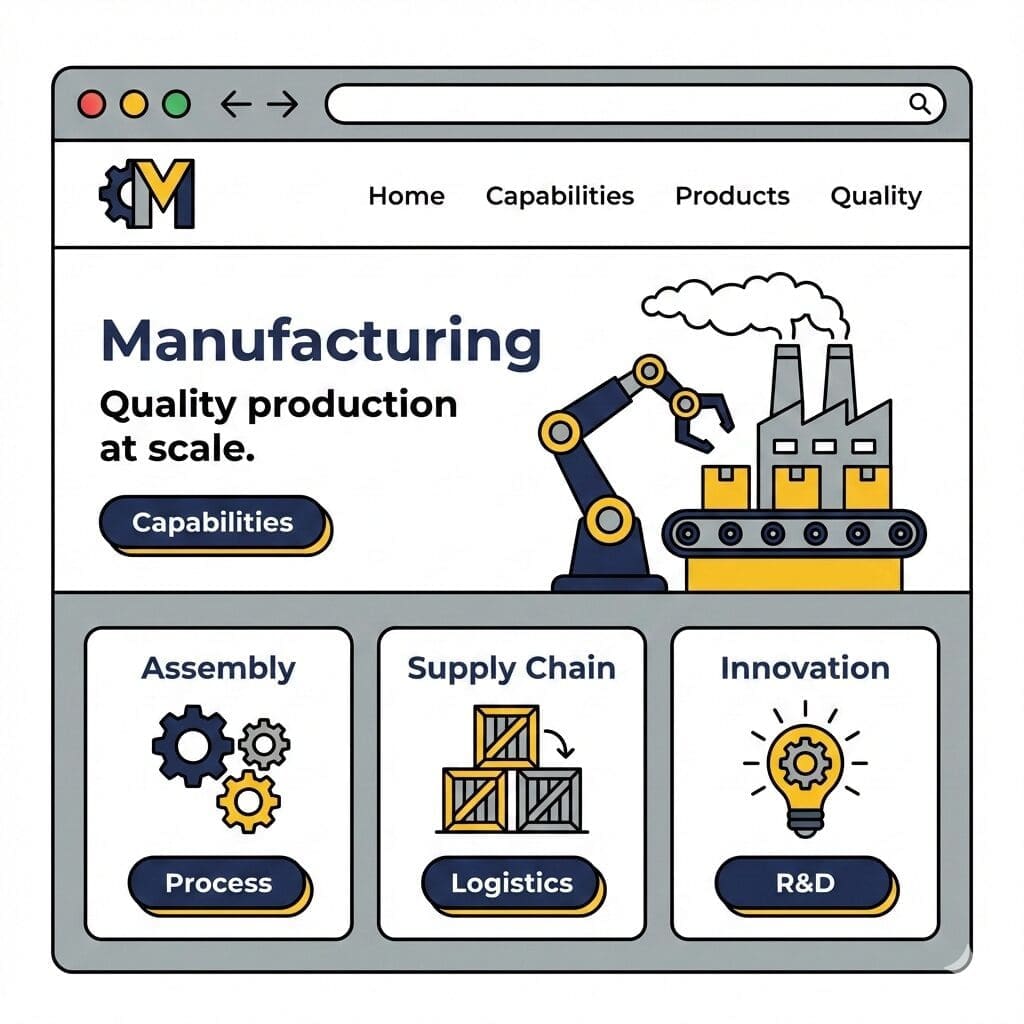
Manufacturing
Driving leads and visibility for UK manufacturers with targeted digital strategies.
Education & Schools
Engaging websites and visibility for schools, universities, and education providers.

Home & Garden
Beautiful eCommerce and brochure websites for home, garden, and lifestyle brands.
Food & Beverage
Appetising websites and online marketing for restaurants, food brands, and hospitality.
Logistics & Transport
High-performance websites for logistics, haulage, and transport companies across the UK.
B2B & Professional Services
Websites and marketing services for consultancies, legal firms, and service providers.

SELECTED ECOMMERCE WORK
Clients First.
Always.
We work smartly and ethically to provide intelligent and cost-effective solutions that maximise your ROI and fuel business growth.


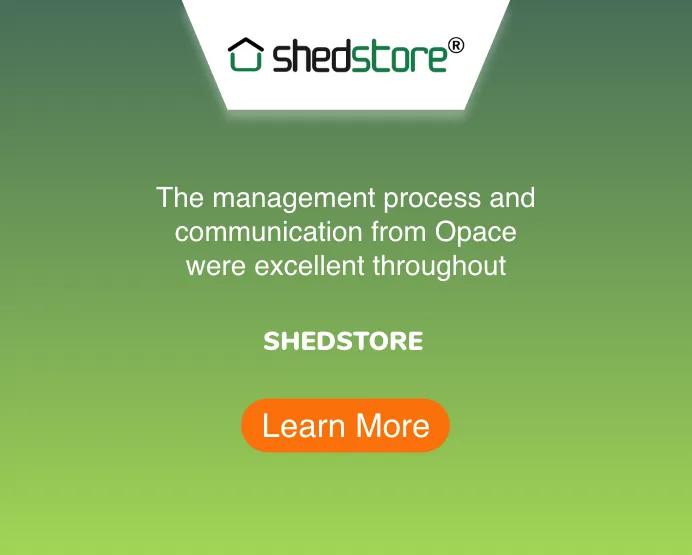
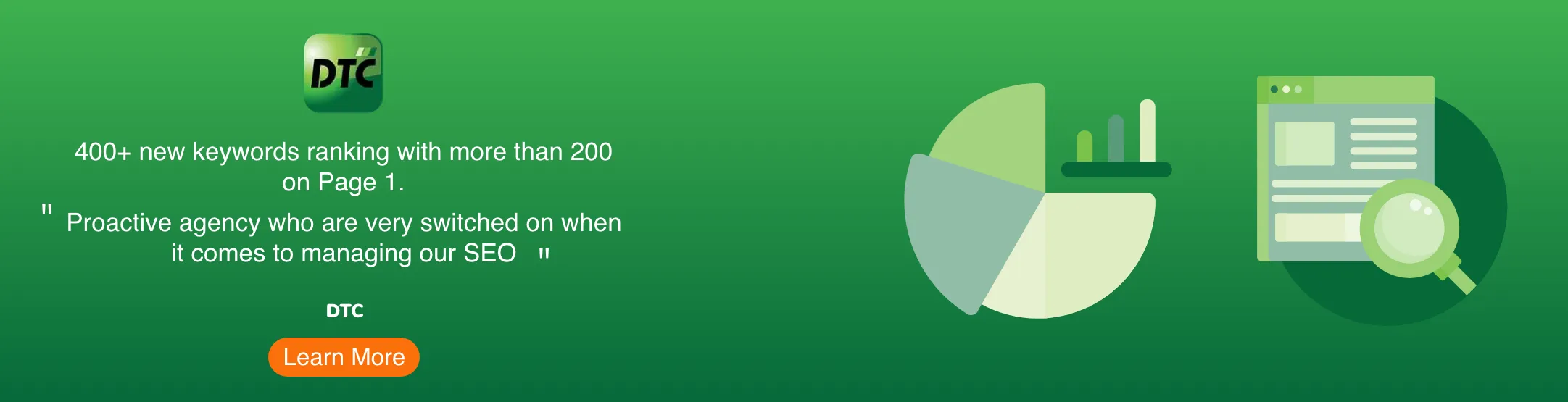



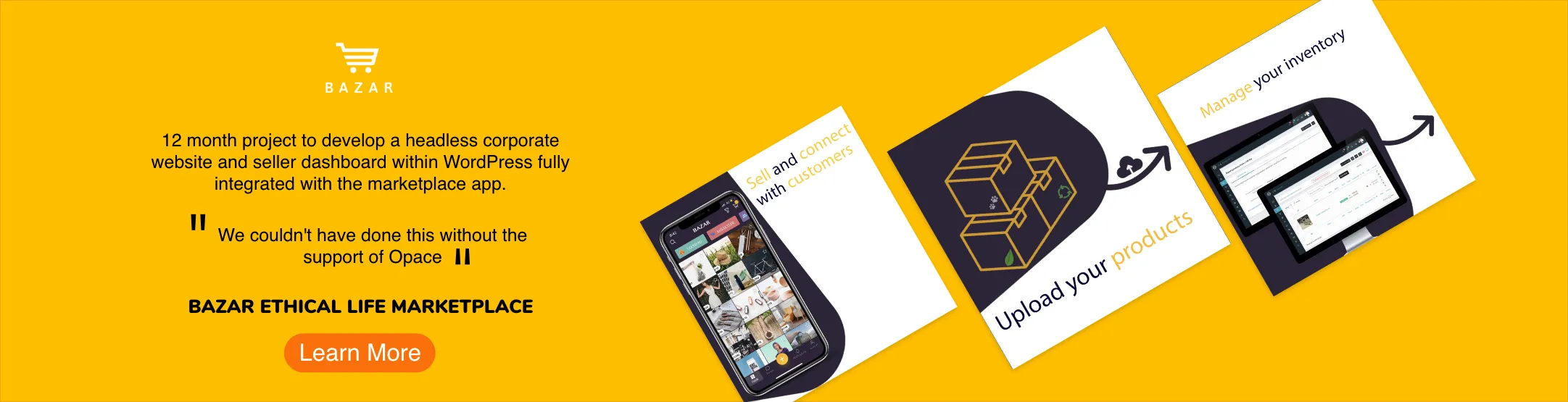
Reviews & Testimonials
See What Our Customers Say
Opace are rated 4.92/5 for Web Design & Development based on 62 customer reviews





Local, National & Global Brands
Organisations We've Worked With















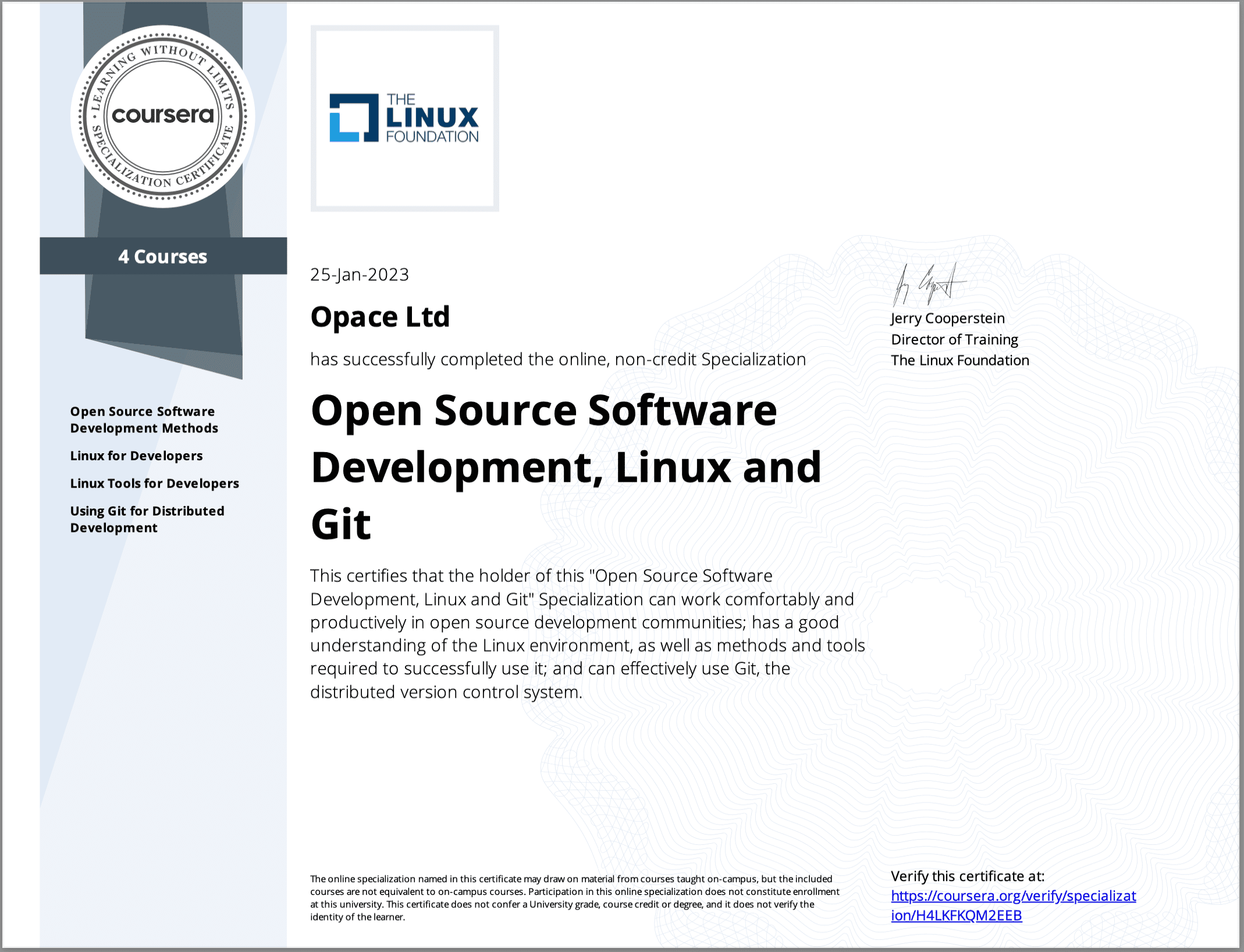
SOME OF OUR AGENCY CERTIFICATIONS
Award Winning Digital Agency
We make sure our digital marketers and specialists are always up to speed. From Google to HubSpot and Semrush, we've completed many of the major certifications available.




MARKETPLACE WEBSITE DEVELOPMENT
Why Our Custom Marketplace Development Delivers Results
Building a marketplace is one of the most complex eCommerce projects a business can undertake. You're not just building a shop, you're building a platform that serves two distinct customer groups with competing needs. Get the vendor experience wrong and sellers leave. Get the buyer experience wrong and customers don't return. Get the payment logic wrong and nobody gets paid.
We've built marketplaces across multiple industries and business models. Here's what sets our approach apart.
Commerce-first architecture
We start with your revenue model, not your feature wishlist. Understanding commission structures, vendor propositions and buyer expectations determines the technical architecture. This approach means fewer expensive pivots after launch.
Multi-vendor payment expertise
Payment splitting is the most technically complex part of any marketplace. We integrate Stripe Connect, PayPal for Marketplaces and custom payment flows with automated commission handling, vendor payouts and platform financial reporting.
Dual-sided UX design
Buyers and vendors have fundamentally different needs. We design separate, optimised experiences for each: conversion-focused storefronts for buyers and efficient management tools for vendors. Neither side compromises the other.
Scalable from day one
Early marketplace decisions determine whether you can scale to 500 vendors or hit a wall at 50. Our architecture choices account for growth in product catalogue size, transaction volume, vendor numbers and geographic expansion.
Vendor onboarding tooling
Self-service vendor registration, product listing tools, order management and earnings dashboards reduce your admin overhead and make the platform attractive to quality sellers. Good vendor tooling is what separates thriving marketplaces from empty ones.
Staged launch strategy
We launch marketplaces with a controlled group of founding vendors, then iterate based on real data before opening wider registration. This protects your reputation and gives vendors confidence they're joining a professionally managed platform.
Why Choose Opace for Marketplace Development?
If you're planning to build a marketplace website, these are the questions our clients ask before committing to a development partner.
Have you built marketplaces before?
Yes. We've built multi-vendor platforms across B2B wholesale, consumer product marketplaces, service booking platforms and niche vertical marketplaces. Each has different vendor models, payment structures and buyer expectations.
Can you handle complex commission structures?
Absolutely. We've implemented flat-rate commissions, tiered percentage models, category-specific fees, subscription-based vendor pricing and hybrid models. The payment splitting logic is tested extensively before launch.
How do you handle the chicken-and-egg problem?
Every marketplace faces this: buyers want products, vendors want buyers. We design launch strategies that seed initial supply, create value for early vendors (reduced fees, featured placement) and build demand through targeted marketing before open registration.
Can you integrate with our existing systems?
Yes. We build API integrations with ERP systems, CRMs, accounting software, logistics providers and existing eCommerce platforms. If your marketplace needs to connect with internal systems, we build those bridges as part of the core architecture.
What about marketplace SEO?
Marketplace SEO is complex because product content comes from vendors, not your team. We build structured data, canonical URL strategies, category page optimisation and product schema into the platform so your marketplace ranks well despite distributed content creation. Our SEO services advises on the content strategy.
Do you work with businesses outside Birmingham?
Yes. While we're based in Birmingham, we build marketplace platforms for businesses across the UK and internationally. Development and project management are handled remotely, with regular video calls and shared project boards.
How much does it cost to build a marketplace website?
Custom marketplace development typically starts from £25,000-£40,000 for a minimum viable platform with core vendor and buyer functionality. Complex marketplaces with advanced payment splitting, multiple fulfilment models and custom vendor tools can range from £50,000-£100,000+. The cost depends on the number of vendor features, payment complexity, integration requirements and whether you're building on an existing platform or from scratch. Contact us for a scoped proposal.
How long does marketplace development take?
A minimum viable marketplace typically takes 3-5 months from initial planning to launch. More complex platforms with custom payment flows, multiple user roles and third-party integrations can take 6-9 months. We recommend a staged approach: launch with core functionality and a controlled group of vendors, then iterate based on real usage data. For further guidance, see Stripe.
What platforms do you build marketplaces on?
We build marketplaces on several platforms depending on requirements. Magento development services with marketplace extensions for enterprise-grade platforms. WooCommerce development services with Dokan or WCFM for smaller marketplaces. Custom Laravel builds for unique business models. Headless architectures using Next.js development services frontends with custom backend APIs for maximum flexibility.
Can you build a B2B marketplace?
Yes. B2B marketplaces have specific requirements including trade pricing, bulk ordering, credit terms, approval workflows and account-based purchasing. Our B2B eCommerce experience means we understand these requirements and can build them into the marketplace from the start rather than retrofitting them later.
How do marketplace payments work?
We integrate payment splitting through providers like Stripe Connect or PayPal for Marketplaces. When a buyer makes a purchase, the payment is automatically split between the vendor and the platform based on your commission rules. Vendors receive payouts on your defined schedule (daily, weekly, monthly). The platform takes its commission automatically without manual calculation. For further guidance, see Stripe.
Do you provide ongoing marketplace support?
Yes. Marketplaces require ongoing development more than standard websites because the platform serves two customer groups (buyers and vendors) with evolving needs. Our support packages cover bug fixes, security updates, vendor tool improvements, performance optimisation and feature development. Most marketplace clients work with us on a retained basis. For further guidance, see PCI Security Standards Council.
How do you handle payments, commissions, and vendor management?
Yes. We handle marketplace migrations including vendor data, product catalogues, order history, customer accounts and SEO preservation. Migration planning includes parallel running periods to minimise disruption to active vendors.
What is the difference between a marketplace and a standard eCommerce store?
A standard eCommerce store sells products from one business. A marketplace connects multiple independent sellers with buyers on a single platform. Marketplaces require vendor management tools, payment splitting, multi-seller order handling and platform-level governance that standard eCommerce stores don't need. The technical complexity is significantly higher.
What payment gateways can a marketplace support?
We integrate with marketplace-capable payment providers including Stripe Connect, PayPal for Marketplaces and custom gateway solutions. The key requirement is split-payment functionality: the ability to divide a single buyer transaction between the platform and one or more vendors automatically. We configure commission rules, payout schedules and currency handling based on your marketplace model. For further guidance, see Stripe Connect documentation.
How do you ensure a marketplace is secure for buyers and sellers?
Marketplace security covers multiple layers: PCI-compliant payment processing, vendor identity verification during onboarding, product listing moderation, review authenticity controls and dispute resolution workflows. We build platform-level governance tools that give you visibility and control without requiring manual review of every transaction.
FROM THE BLOG
Our Latest eCommerce Insights

What Is DLSS 5? AI Generated Art, Neural Rendering & When AI Overrides the Artist
What is DLSS 5 and why are game artists furious? We break down neural rendering, the AI generated art controversy, and the AI bias problem.

ChatGPT vs Gemini vs Bing: The Best AI Search Engines and What Comes Next
Compare the best AI search engines of 2026, including ChatGPT, Gemini, Perplexity and Copilot. How AI Overviews and GEO are changing search.

What Is AGI (Artificial General Intelligence) or True AI? AI vs AGI vs ASI Explained
What is AGI and how does it differ from the AI we use today? We explain ANI vs AGI vs ASI, where GPT-5 fits, and when experts predict AGI will arrive.
Get in Touch
Interested in Working with Us?
We have 100% happy customers, so don't delay. Get in touch today and see how we can help.
SEND US A MESSAGE