Get in Touch

Free UK project estimate · No email required

Website Cost Calculator UK

Use this website cost calculator to estimate website design costs for a new website from its number of pages, platform, functionality, content and support. The cost calculator shows an instant estimate across one, three and five years, with no email gate.

Need an itemised proposal? See Opace web design services
  • 7scope questions
  • 0email fields
  • 3ownership horizons
Line illustration connecting website scope, design, ecommerce, hosting, functionality and ongoing support

Plan the work before pricing it. Scope, delivery and ongoing ownership shape the estimate.

Get a project-specific website cost with the evidence behind it

Answer the seven questions below to create a low-to-high planning range for your website project. The calculator shows the person-days, role rates, recurring-cost assumptions and source links behind the result. It uses published platform prices and UK labour benchmarks where they are available, and labels its own planning assumptions where they are not. This is an editorial planning tool, not an Opace quote, and it requires no contact details.

Transparent planning tool, with sources and assumptions shown

UK Website Cost Calculator

Seven questions, then a transparent view of setup cost, your time, and ongoing ownership costs.

Prices exclude VAT by default and can be added in the result. Source prices were checked on 4 August 2026; verify the supplier page or checkout before buying.

Step 1 of 7

What type of website do you need?

Choose the closest match, or . You can restart and try another route at any time.

What the estimate covers

See what shapes website design costs.

The result keeps delivery, functionality, content and ongoing ownership as separate cost areas. You can see which selections changed the website cost and which items still need a supplier checkout or quote.

Line illustration of page count, graphic design, responsive devices, database integration, ecommerce and custom functionality affecting website design costs

Page count, website design, responsive design, database integration and e-commerce functionality change the work behind the estimate.

01Design and delivery

Project design and delivery

Discovery, project management, UX, visual and graphic design, development, content entry, quality assurance, launch, training and handover form the core website design and delivery work. The cost estimate expresses that work as low-to-high person-days.

02Platform and functionality

Platform and functionality

Website functionality changes with the content management system, hosted builder, eCommerce platform or custom approach. Database integration, accounts, payments, migration and other custom functionality remain visible rather than being hidden inside a broad build figure.

03Content and search preparation

Content and search preparation

The questions distinguish customer-supplied website content from entry, copywriting and search preparation. Organic traffic or search rankings are never promised because the calculator prices selected work, not an outcome.

04Ongoing ownership and support

Ongoing website ownership

Web hosting or platform fees, domain registration, extensions and ongoing support are separate lines. Our UK website maintenance cost guide explains what a support scope should include before the ownership view carries the selected monthly range across one, three and five years.

What is not silently included

This price calculator excludes paid media, ongoing SEO campaigns, photography, translation, stock, fulfilment, payment-processing fees and unusual legal or infrastructure requirements unless the result states otherwise. Inflation, redesigns, sales commissions, traffic growth and scope added after launch are also outside the ownership projection.

How the calculator works

How the website cost calculator works.

The seven answers connect the website requirements to your business goals and usually explain why two website design proposals differ.

Line illustration showing the journey from project scope through delivery requirements to checked assumptions

The cost calculator connects scope, delivery requirements and checked assumptions before showing the website cost.

  1. 01

    Choose the project scale.

    Start with the closest type and number of pages, from a small brochure site through a content platform, online store or custom web application.

  2. 02

    Select the build route.

    Choose the expected platform, supplier type and website design approach. DIY shows supplier cash outlay separately from the work involved, which makes its web design costs easier to compare with professional delivery.

  3. 03

    Add the real delivery requirements.

    Account for website content and website functionality, including database integration, e-commerce functionality, responsive design, accessibility and ongoing maintenance. A user-friendly website still needs explicit design, content and testing work.

  4. 04

    Inspect and replace the assumptions.

    Review the labour calculation, evidence, VAT treatment and exclusions. This is a price calculator rather than an instant quote, so replace planning allowances with current supplier prices and itemised quotations before procurement.

  5. 05

    Check the full ownership budget.

    A low setup price or pay monthly website can become expensive once hosting services, domain registration, licences and support are added. Compare the one-, three- and five-year totals and define what ongoing maintenance covers across the full ownership period. Recurring costs need a named scope, including backups, updates, monitoring and response times.

  6. 06

    Compare every website proposal on the same basis.

    Give each freelancer or web design agency the same website design brief and ask for an itemised cost estimate. Confirm the content, custom functionality, graphic design, e-commerce platform and account ownership included. Search rankings and organic traffic are not calculator outputs; SEO or Google Analytics work should be a separate deliverable.

Routes compared

DIY, CMS, freelancer, agency or custom build?

No website design route is automatically cheapest once time, functionality, ownership and support are compared on the same basis. Each route moves responsibility, supplier cost and ongoing work to a different place.

On a phone, swipe the table sideways to compare every column.

RouteHow the website design cost is modelledUseful whenCheck before choosing
DIY builderSoftware and recurring cash costs, with supplier labour set to £0.A simple scope where the owner can deliver and review the work.Apps, custom domain, portability, support and the value of internal time.
CMS or WordPressProfessional setup plus hosting, domain, extensions and pay monthly maintenance allowances.Editors need a user-friendly content management system and can own the update process.Licences, responsive design, security, backups, testing and handover.
FreelancerRole-based web design costs using published UK freelance rate anchors.A named specialist can cover the work and document continuity.Availability, subcontracting, warranty, support and repository ownership.
Specialist agencyA multidisciplinary web design team using a public rate card as a planning anchor.The project needs coordinated design, development, content and QA.Team, day allocation, deliverables, revisions and service levels.
eCommerceCatalogue and checkout work plus the platform, apps and integrations.The business needs to sell products online.Product data, tax, shipping, payment fees and migration.
Custom projectDiscovery, product, website design, engineering and testing ranges.Standard configuration cannot meet the required workflows.Architecture, security, data, integrations and acceptance criteria.

Give every supplier the same written scope, then compare responsibilities, exclusions and potential costs alongside the headline figure. Ask each supplier to mark every item as included, excluded or provisional, and record who owns the domain, hosting account, source files and third-party licences. This makes later revisions easier to trace and prevents a low headline price from hiding work that still needs to be bought.

Transparent methodology

Published rate evidence, visible planning assumptions.

The web design cost range multiplies each selected role's low and high person-days by the corresponding rate band. Recurring monthly cost combines the platform or hosting allowance, support hours, annual extensions and domain allowance.

One-, three- and five-year totals add the setup range to the selected recurring range over 12, 36 or 60 months. They assume the service continues unchanged and do not model inflation or later scope.

Use the result as a comparison worksheet. Give each supplier the same requirements and ask what sits outside the price. A lower figure may omit content, testing, migration, accessibility work, training or support included elsewhere.

Evidence and billing basis

  • Freelance rates - YunoJuno's 2026 UK report supplies directional discipline averages.
  • Agency rates - UK Digital Outcomes supplier data and one named G-Cloud rate card provide public reference points.
  • VAT - Results exclude VAT by default and can add the current UK standard rate.
  • Platform prices - Volatile subscriptions are planning allowances with links to supplier pages, not permanent tariffs.
  • Research date - Sources and supplier prices were checked on 4 August 2026; verify them before buying.

Methodology version 2026.08.04-r3. The scope-day model is an Opace editorial assumption and is labelled as such. It is not trained on Opace quotations and does not alter results to favour an Opace service.

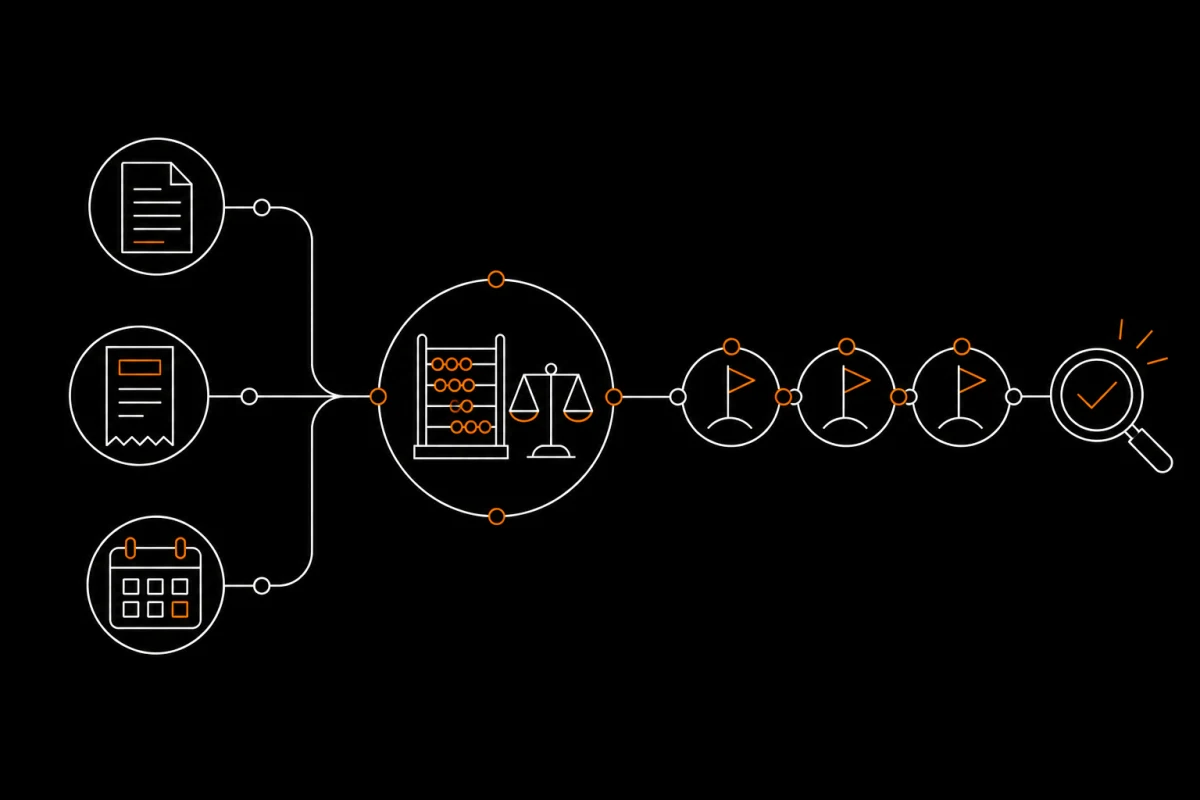
Line illustration showing published evidence feeding a transparent calculation, ownership milestones and verification

Published evidence feeds the planning model; supplier prices and assumptions still need checking before purchase.

Tool questions

Questions about the estimate.

These answers cover the estimate itself. The full UK website cost guide explains the wider buying decision, ownership questions and quote checks.

For recurring budgets, compare hosting, updates, backups and response coverage in the website maintenance cost guide for UK businesses.

Use the specialist guides for an eCommerce website cost breakdown, a WordPress website budget or a small-business website cost and quote checklist.

How accurate is the website cost calculator?

It produces a planning range from the scope and supplier route you select. The result shows role-days, rate bands and recurring allowances so you can test the arithmetic. It is not a quotation, and an itemised supplier proposal should replace the assumptions before you commit to a budget.

Do I need to enter an email address to see the result?

No. The full setup range, monthly ownership range, one-, three- and five-year totals, labour breakdown, assumptions and evidence links appear without an email gate. Contacting Opace after the result is optional.

Does the estimate include VAT, hosting and maintenance?

Prices exclude VAT by default, with a result control that adds the current standard UK rate for comparison. Hosting or platform allowances, domain renewal, extensions and the selected support level are shown separately. Pay monthly plans still need a named scope, and the exclusions list explains costs that are not modelled.

Is the result an instant quote?

No. A responsible website design quote needs a reviewed brief, deliverables, responsibilities, dependencies and acceptance criteria. This tool gives you a transparent cost estimate to improve that conversation, rather than presenting an automated result as a supplier commitment.

From estimate to decision

Use the range to ask better questions.

Save the result, read the evidence and compare suppliers against the same written scope. The guide explains the costs and contract points that an automated estimate cannot settle.